
 See Our Latest Article on HelloNation

Why Do Joints Crack and Pop?
Joint cracking is a common experience for many households in Somers, NY. The familiar "pop" or "crack" you might hear from knees, fingers, or your back often happens with everyday movements. The sound usually comes from small bubbles of gas in the natural joint fluid—called synovial fluid—rapidly collapsing or forming when the joint is stretched or moved.
Sometimes, the noise can also be caused by ligaments or tendons moving over bony surfaces. While it can be startling or satisfying, occasional joint noises by themselves are rarely a sign of a problem.
Is Cracking Your Joints Harmful?
Most research shows that cracking joints, by itself, does not cause arthritis or long-term joint damage. For the typical resident of Somers, hearing joint pops while gardening, walking the dog on local trails, or stretching on a chilly morning is not cause for alarm—unless pain or swelling is present.
- Cracking without discomfort: Usually safe for healthy adults and teens.
- Cracking with pain, swelling, or loss of motion: May signal something else is wrong and deserves further attention.
Why Do Some People Feel Relief After Cracking Their Joints?
Many residents report feeling a sense of relief or lightness after popping their knuckles or stretching until their back “cracks.” This relief is usually temporary and may be due to:
- Momentary release of joint pressure or tension
- Activation of nearby nerves, creating a calming sensation
- Slight stretching of the joint capsule, improving perceived flexibility
For most local adults, this type of self-cracking doesn’t lead to ongoing joint health improvements, but it isn’t linked to harm if done gently and without discomfort.
Are There Times When Joint Noises Are a Sign of a Problem?
Isolated joint pops usually aren’t worrisome for people in the community, but persistent, painful, or new sounds may be worth discussing with a health provider. Situations to keep in mind include:
- Cracking that comes with pain, swelling, redness, or warmth
- Noises that follow an injury from sports, a fall at home, or shoveling snow
- Repetitive sounds in one spot with associated weakness or “catching” sensations
In these cases, noises could relate to ligament trouble, cartilage wear, or inflammation. Those experiencing such symptoms during regular activities—like local hiking or household chores—might consider timely medical evaluation.
Can Regular Cracking Lead to Arthritis?
This is a common myth among Somers area households. Long-term studies have found no link between habitual knuckle cracking and higher arthritis risk. Researchers have followed people who cracked their joints for decades and compared them to non-crackers, finding no difference in the rates of arthritis or most types of joint damage.
However, aggressive or forceful self-manipulation can sometimes irritate joints or soft tissues, even if it doesn’t cause arthritis itself.
Are There Risks to Making Your Own Back or Neck ‘Crack’?
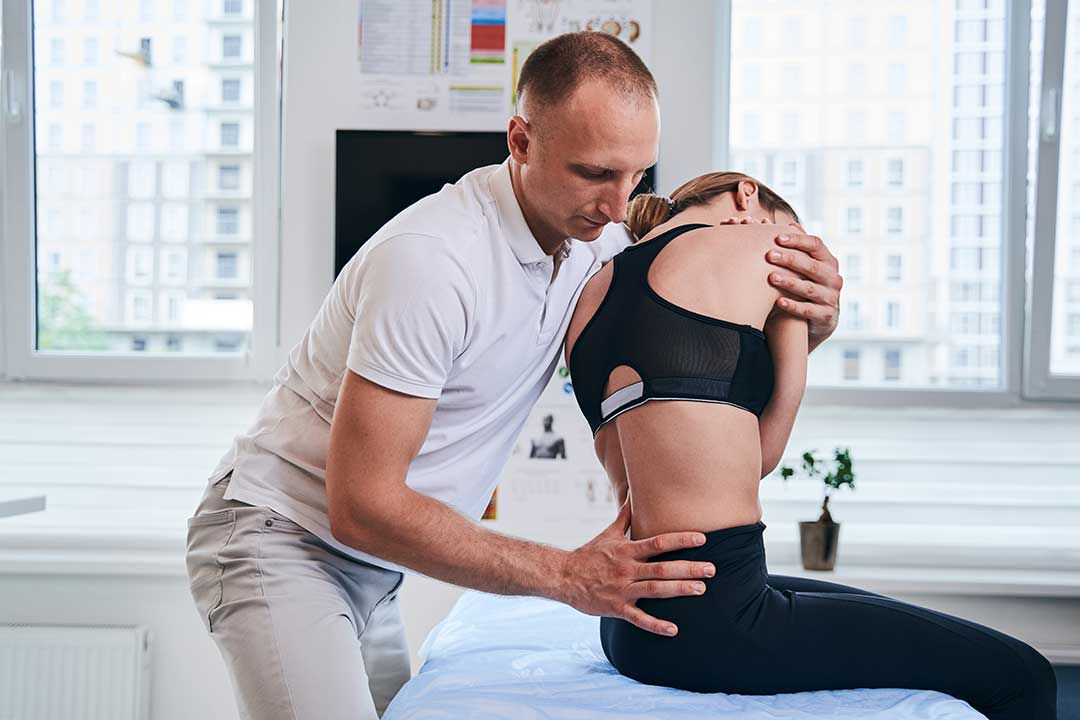
For most healthy adults, gentle stretching that results in a spontaneous pop is not likely to be harmful. However, aggressive twisting, yanking, or repeated forced movements—especially to the neck or lower back—carry greater risks:
- Muscle strain or spasm
- Aggravation of herniated discs or nerve issues, sometimes more common in those with previous injuries
- Dizziness, headache, or rare but serious consequences from forceful neck twisting
Residents who notice new symptoms after forceful joint cracking during home exercise, moving heavy objects, or after slips on icy driveways should pause and reassess activity.
What About Sounds in Children or Older Adults?
It’s common for children in Somers households to have popping or clicking knees and elbows as they grow and play. Most of the time, these sounds reflect shifting tissues and growth, not injury. The same goes for older adults, whose joints become less cushioned with age—leading to more frequent harmless noises.
However, any joint sounds accompanied by pain, persistent swelling, or stalls in movement deserve closer attention for all age groups.
What Can Local Residents Do if Joint Sounds Are Bothering Them?
If the feeling or sound of joint pops becomes distracting, there are some simple adjustments the community can try at home:
- Warm up before outdoor activities or exercise, especially in colder months
- Practice regular stretching for overall flexibility rather than repeated forceful joint cracking
- Use supportive shoes or mats for activities on hard surfaces often found in area homes and gyms
- Adjust workstation or sitting posture to minimize joint tension during computer use or reading
If changes in routine don’t help, or joint sounds are accompanied by other symptoms, consider a conversation with a primary care provider for deeper evaluation.
